Method
AI Image Consistency: Why Your Brand Visuals Keep Drifting
5 min read
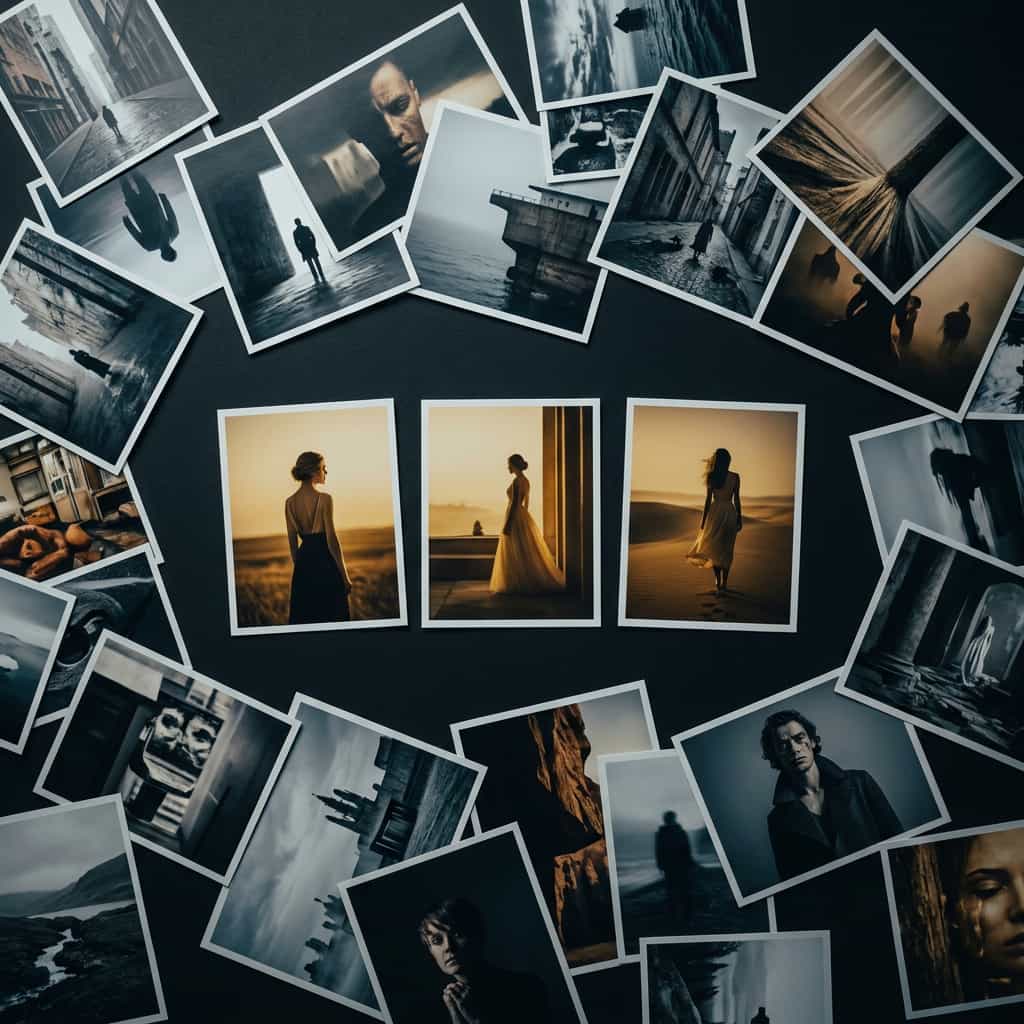
Brand visuals drift in AI generation because no visual language pre-exists the prompts. The fix is documented direction, not a better prompt.
Your last twelve posts do not look like they were made by the same brand. This is not an accident and it is not a tool failure. 62% of marketers are now using AI generative tools for visual content. Most of them face the same problem: images that are individually competent but collectively inconsistent. Different colour temperatures, different levels of contrast, different subject framing, different atmospheric qualities — a feed that looks like it was assembled from five different visual sources rather than produced with a single visual identity. The instinctive response is to fix the prompt. Sharpen the language, add more detail, save a template and reuse it. The results improve within a session, but the drift continues. It continues because the problem is not in the prompt. The problem is that no visual language exists before the prompt. Every AI generation session starts from zero. The model has no memory of your brand, no knowledge of what your visual identity is supposed to feel like, no understanding of the emotional register you have established across your content. You bring the prompt. The model fills in everything you did not specify — and the parts you did not specify are exactly where drift lives. You might specify the subject consistently. But did you specify the colour grade? The light source and its direction? The atmospheric conditions of the scene? The emotional quality the image should carry? If any of those were left open, the model decided them differently each session. And those are precisely the elements that define visual identity. A brand's visual language is not a subject description. It is not a colour palette you mention in a prompt. It is the sum of consistent decisions across composition, light, atmosphere, and mood — decisions that make twenty different images feel like they belong to the same world. Professional photographers do not produce consistent campaigns by writing longer briefs. They produce them by having a visual direction that pre-exists every shoot. Before they choose a location, they know the light. Before they direct the subject, they know the mood. Before they set the camera, they know the image. The brief is the application of a visual language that already exists. AI generation requires exactly the same logic. The VISUALS Method gives you the structure to build and document that visual language. Four blocks are most directly relevant to consistency. Vision is the first block. It defines what you are creating at the level of format, visual style, and realism level. When Vision is documented and applied consistently, every session starts from the same realism target and format intent. You stop defaulting to whatever the model decides. Impact is the second block. It defines the emotional register — what the image should make the viewer feel, what it should communicate before the viewer reads a single word. When Impact is fixed as a brand constant, the emotional quality of your content stays consistent. The look becomes recognisable even when the subject changes. Atmosphere is the fifth block and the most consequential for brand consistency. It defines the mood, the light, the colour grade, and the felt quality of the scene. When Atmosphere is a documented constant — not a decision you make per session but a direction you carry into every session — the visual world of your content holds together. Warm golden editorial or cool clinical clarity; soft diffused light or high-contrast drama. These are brand decisions, not generation variables. Location, the sixth block, defines the relationship between subject and environment. It is what makes a series of images feel as though they share a world, even when the specific settings differ. The mistake most AI users make is treating all seven blocks as variables — things to decide fresh each time. That produces drift. The fix is to treat Vision, Impact, Atmosphere, and Location as brand constants: defined once, documented, applied consistently. The remaining blocks handle what legitimately changes per image — the specific subject, the composition, the technical setup — without breaking the visual identity. The practical step is to write a Visual Direction Brief for your brand. Not a mood board. Not a prompt template. A documented set of decisions that define what your content looks and feels like, independent of any specific image. You apply it before you open any tool. When that document exists, consistency is not something you recreate each session. It is something you already have. Learn the complete framework at [visual-direction-for-ai]. If consistency is in place but individual images still read as generated rather than directed, the problem is quality, not coherence. Read: Why Your AI Images Still Look Fake in 2026